Insulation Experts
Spray Foam is the best insulation available today, period.
It’s a cost effective, energy efficient & environmentally friendly choice for insulation and protective coatings.
Get a Free Quote
Call The Professionals
Benefits of SPF
Learn about insulation
Our Location
Grande Prairie and area
Testimonials
What people are saying
Residential
Our spray foam has the highest insulation value of any product on the market. Your home will be quieter, more comfortable and draft free with improved indoor air quality.
- Save money & energy
- Keep heat inside your home
- Prevent condensation and mold
- Increase comfort & air quality
- Dampen sound
Commercial
Spray foam has unique properties that make it an excellent insulation option for solving the many challenges you face in the oilfield, manufacturing, or other industries.
- Class 1 Fire Rating
- Stop condensation
- Keep Cargo Warm/Cold
- The highest Insulation Value
- Cost Effective Solution
Oilfield
Often oilfield insulating challenges cannot be easily solved with traditional materials. Spray foam is cost effective for insulating pipe bends, frac ponds, tanks, and buildings. Our mobile rigs can come to you to apply insulation on site. Or you can bring your project to our large 5000 sq. ft. shop. Call us for a quote, toll free: 1-855-550-4663
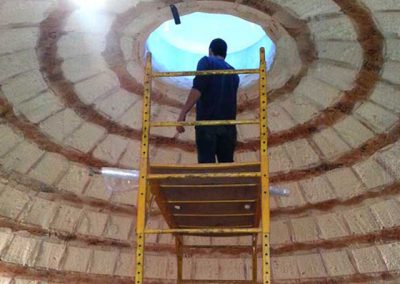
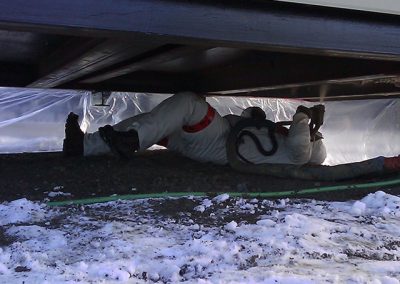
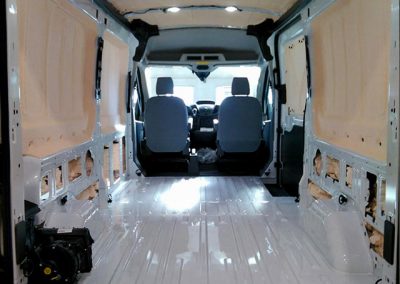
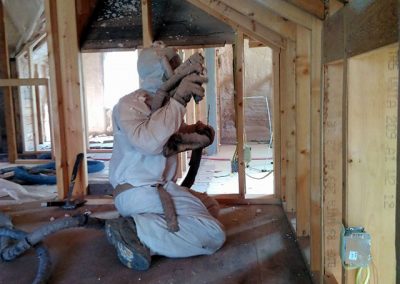
Spray Foam Applications
Insulation
Our spray foam has the highest insulation value of any product on the market. Your home will be more comfortable and draft free with improved indoor air quality.
Protective Coating
Spray foam has unique properties that make it an excellent option for solving the many challenges you face in the oilfield, manufacturing, or other industries.
Sound Proofing
Spray foam gets into all the nooks and crannies. It expands and blocks any channels through which sound could pass. Spray foam will outperform a well done fiber sound proofing job.
The Benefits of Closed Cell Foam
The Spray Foam we supply is “closed cell” foam, meaning that it stops convection currents.
This means that if you insulate your home using our foam, potential for problems such as mold and condensation in your home’s interior will be almost eliminated.
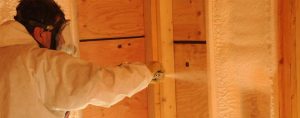 Closed cell foam also has higher strength than open cell foam, and thus using this type of material for insulation will give you a more resilient result.
Spray Foam is environmentally-friendly, it does not sacrifice functionality for ecological respect, and is the best choice for future generations.
Spray Foam is the best insulation available today, period. It gives you a comfortable, efficient home. Spray Foam will pay for itself and increase the value of your home.